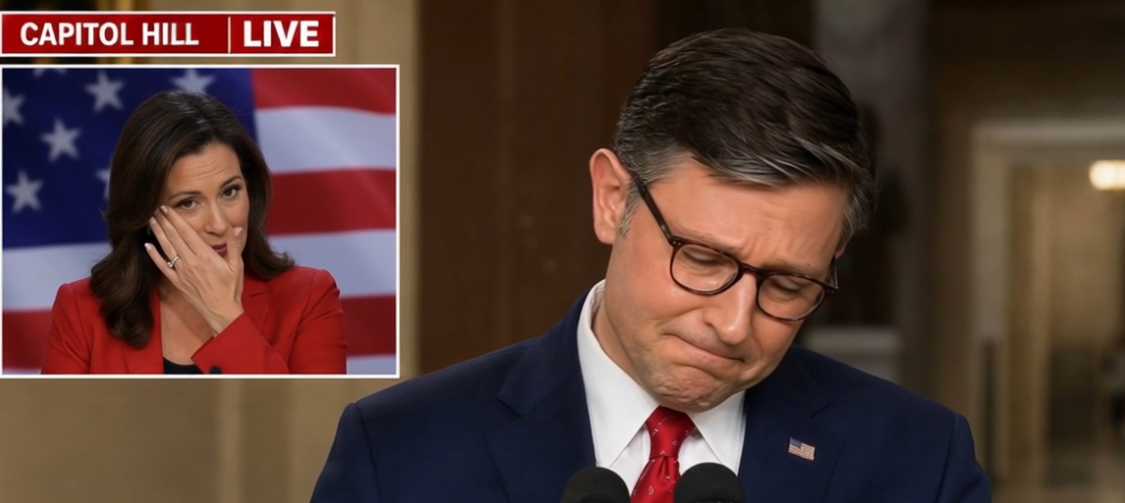
House Speaker Mike Johnson (R-La.) has unveiled a procedural strategy to advance the SAVE America Act by attaching it to the National Defense Authorization Act (NDAA), Congress’s must-pass annual defense legislation. The maneuver aims to heighten pressure on the Senate to address the voting integrity measure as lawmakers prepare for key floor action.
The announcement comes after weeks of internal Republican negotiations. Conservative lawmakers recently held up routine House business, pressing leadership for more decisive steps on the legislation, which the House passed earlier this year. The SAVE America Act would require proof of U.S. citizenship for individuals registering to vote in federal elections and mandate photo identification for casting ballots.
Johnson outlined the plan to reporters, detailing the use of a parliamentary procedure known as “merge onto the rule,” sometimes called “MIRVing.” This would incorporate the SAVE America Act provisions into the rule governing debate on the NDAA. As a result, House members voting to advance the defense authorization bill would simultaneously support moving the election security legislation forward.
“This approach underscores our commitment to both a strong national defense and secure elections,” Johnson said. He described the procedural vote as a way to reinforce Republican priorities and encourage Senate consideration of the combined package.
However, the strategy faces notable obstacles. Even if the House approves the linked measures, the Senate retains the authority to strip the election-related provisions during its NDAA deliberations. Some lawmakers have voiced concerns that bundling the bills could complicate or delay final passage of the critical defense legislation, which traditionally enjoys broad bipartisan support.
Within the Republican conference, reactions are mixed. Supporters view Johnson’s plan as a pragmatic path forward, while others advocate amending the NDAA directly to embed the election requirements. Democrats have strongly opposed the SAVE America Act, contending that its citizenship documentation and photo ID mandates could disenfranchise eligible voters. Republicans counter that the bill is essential to verify eligibility and bolster public confidence in federal elections.
As negotiations continue on Capitol Hill, the fate of both the NDAA and the SAVE America Act remains uncertain. The developments highlight persistent partisan divides over election policy, legislative tactics, and the prospects for bipartisan cooperation on core governance matters.