The Press Must Respond to Trump’s Challenge with Clarity and Unity
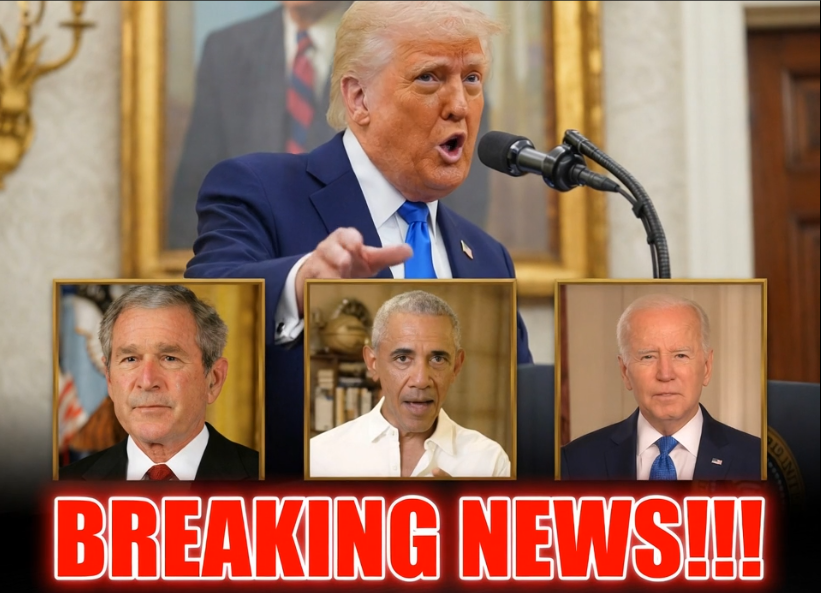
The room fell silent as Donald Trump declared the press “going to change.” Not policy. Not foreign affairs. The press itself—its practices, its role, its future. In that moment, the boundary between tough criticism and potential retaliation blurred. Journalists recognized the stakes immediately.
A free press cannot dismiss such rhetoric as mere soundbite. The proper response begins with radical clarity. News organizations must explain, relentlessly and accessibly, why an independent press exists: to hold power accountable, expose corruption, verify facts, and inform citizens so they can govern themselves. It protects not journalists, but the public. History shows how quickly democracies weaken when leaders decide which stories are permissible and which are suppressed. From authoritarian playbooks worldwide, the pattern is familiar—intimidation, selective access, and narrative control erode trust in institutions.
Journalists must meet this test by doing better work: rigorous sourcing, transparent corrections, intellectual honesty, and a willingness to challenge their own assumptions. Standards should tighten, not loosen, under pressure.
The second response is solidarity. Rival newsrooms, often fiercely competitive, need to stand together where core principles are threatened. Shared public statements, joint legal strategies, coordinated defenses against unconstitutional restrictions, and a collective refusal of any “access for obedience” bargains are essential. Press freedom organizations, local outlets, and national media should function as one resilient ecosystem rather than isolated brands. When any president signals that constitutional guardrails may shift, the answer must be unambiguous: the First Amendment is not negotiable.
This is not about shielding the press from criticism—media outlets deserve scrutiny for bias, errors, and declining trust. It is about refusing to let political pressure rewrite the rules that keep democracy informed. The public’s right to know depends on it.