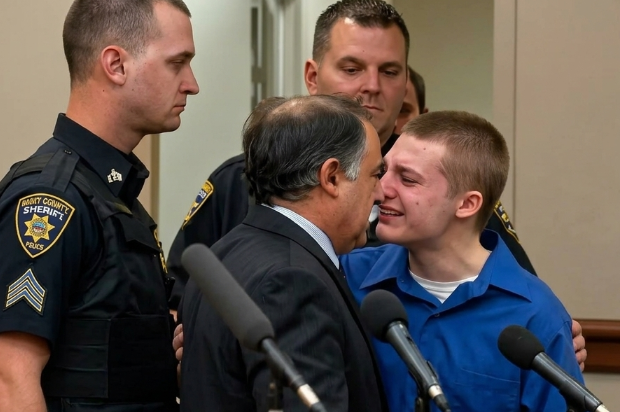
Few courtroom decisions generate as much discussion as an extraordinarily long prison sentence handed to someone who was still a teenager when the offenses occurred. A reported sentence of 452 years has prompted questions about accountability, public safety, rehabilitation, and how the justice system should treat young offenders.
I appreciate how complicated this subject is because there is rarely a simple answer. Serious crimes can leave victims and families dealing with lasting consequences, while adolescents are still developing the judgment and decision-making skills expected of adults.
That tension sits at the heart of the juvenile justice debate: How should society hold young people accountable for serious wrongdoing while recognizing that they may still have the capacity to change?
Important note: The material provided for this article does not identify the jurisdiction, defendant, specific offenses, or court record. The discussion below therefore focuses on the reported sentence and the broader juvenile-justice issues rather than presenting unverified case details as established fact.
What This Article Covers
This article looks at:
- Why an extremely long sentence can attract national attention
- The competing perspectives of prosecutors and defense attorneys
- Why victims’ experiences matter in sentencing
- How adolescent development can affect legal arguments
- The difference between punishment, deterrence, rehabilitation, and public safety
- Frequently asked questions about juvenile sentencing
If you enjoy thoughtful explainers about law, society, and current issues, consider subscribing to your favorite news or educational publication so you can receive new articles by email.
Why a 452-Year Sentence Gets Attention
A sentence measured in centuries immediately raises questions because the number is far beyond a normal human lifespan.
In practical terms, a sentence of this length can function as an extremely long-term or life-equivalent punishment, depending on the jurisdiction, sentencing rules, parole provisions, and whether sentences are served concurrently or consecutively.
But the number alone doesn’t explain why a judge chose it.
Sentencing decisions can involve many factors, including the seriousness of offenses, the harm suffered by victims, the defendant’s history, applicable laws, and arguments presented by both sides.
That’s why the most important question isn’t simply, “Why 452 years?”
It’s what legal and factual circumstances produced that sentence?
The Courtroom Debate: Accountability vs. Rehabilitation
Sentencing hearings often bring two powerful ideas into conflict.
The Case for Accountability
Prosecutors may emphasize the consequences experienced by victims and their families. From this perspective, a severe sentence can communicate that serious criminal conduct has serious consequences.
Supporters of lengthy sentences may also argue that punishment serves several purposes:
- Holding an offender accountable
- Protecting the public
- Recognizing victims’ suffering
- Deterring similar conduct
- Reflecting the seriousness of the offenses
For victims and families, the sentencing process can also represent an important moment of recognition after a deeply disruptive experience.
The Argument for Considering Youth
Defense attorneys representing a juvenile or very young defendant may emphasize age and development.
Adolescence is not simply adulthood at a smaller age. Young people continue developing skills involving judgment, impulse control, planning, and evaluating long-term consequences.
That doesn’t mean young offenders should automatically escape responsibility. Instead, the argument is that age can be relevant when determining what punishment is appropriate and whether rehabilitation remains realistic.
This creates one of the hardest questions in juvenile justice:
Can someone be held responsible for serious wrongdoing while still being given a meaningful opportunity to change?
Victims and Their Lasting Experiences
Any discussion about sentencing should include the people directly affected by the underlying offenses.
Victims may experience emotional, social, financial, or practical consequences long after a criminal case ends. A courtroom sentence cannot necessarily undo those effects.
Victim-impact statements can give judges an opportunity to hear directly about those consequences. They can also remind the public that criminal cases aren’t merely abstract legal disputes.
At the same time, sentencing law generally requires courts to consider established legal principles rather than simply responding to public emotion.