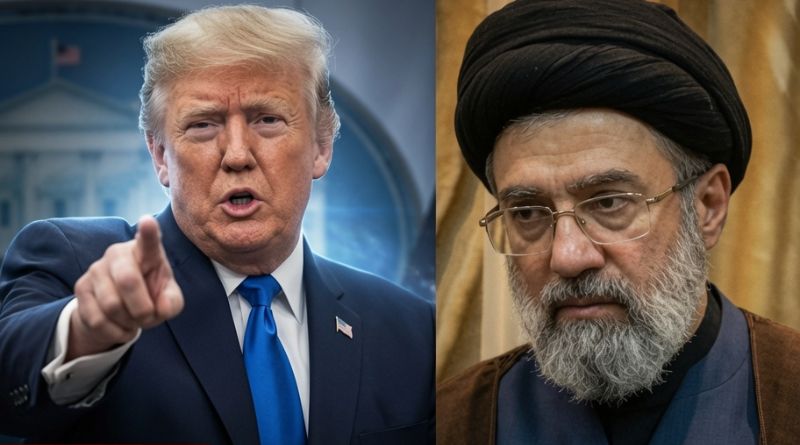
Overnight explosions across Iran marked a sharp new phase in the long-running confrontation with the United States and Israel. Officials in Washington described the raids as part of operations linked to Operation Epic Fury, aimed at degrading Iranian military infrastructure rather than opening a full-scale ground war.
Targets included air-defense batteries, missile storage sites, command facilities, and coastal assets associated with threats in the Strait of Hormuz. U.S. and Israeli leaders said the strikes were meant to reduce Iran’s ability to attack commercial shipping and to limit its capacity for future attacks. Images and videos circulating online showed damaged compounds and burning defensive positions.
Iranian state media reported that some incoming missiles were intercepted but confirmed blasts in several areas, including the southern ports of Bandar Abbas, Chabahar, and Bushehr. Tehran vowed “devastating revenge,” language that immediately raised the risk of a rapid cycle of retaliation.
European and other diplomats urged restraint. Governments warned that continued fighting could destabilize the wider Middle East, interrupt oil flows through the Strait of Hormuz, and increase civilian harm in a region already under strain. In Tehran, Tel Aviv, and cities across the region, families followed rolling coverage and waited for air-raid alerts, fearing the raids were the opening of a broader conflict rather than a limited operation.
The latest strikes follow recent Iranian attacks on vessels in the Strait of Hormuz and a pattern of tit-for-tat threats. International efforts now focus on de-escalation before the fighting spreads further and energy markets or neighboring states are drawn in more deeply.