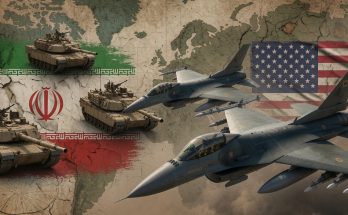
Tensions in the Middle East escalated dramatically in June 2025 as Israel and Iran launched unprecedented direct attacks against each other, raising fears of a wider regional war with potentially global consequences.
On June 13, Iran’s Islamic Revolutionary Guard Corps announced attacks against dozens of targets inside Israel, describing the strikes as retaliation for Israel’s extensive military campaign against Iranian nuclear facilities, missile infrastructure, military installations and senior security officials. The exchange marked a historic turning point in the confrontation between the two longtime adversaries.
Israel maintained that its offensive was necessary to prevent Iran from developing nuclear weapons, arguing that Tehran’s expanding nuclear capabilities posed an unacceptable threat to Israeli security. Iran rejected those accusations, insisting that its nuclear program was designed for peaceful purposes, and responded with missile strikes and other military operations against Israeli targets.
The rapid escalation raised immediate concerns that the conflict could draw in additional countries and armed groups. Iran’s relationships with regional militant organizations, combined with Israel’s ongoing security challenges along its northern borders, created multiple potential flashpoints. What began as a direct confrontation between two regional powers threatened to become a much broader conflict.
Regional Instability and Global Economic Consequences
The fighting unfolded against an already volatile regional backdrop. Concerns intensified over potential attacks on American military personnel, Gulf states, critical infrastructure and international shipping routes. Any disruption to these strategic areas could have consequences extending far beyond the Middle East.
Financial markets responded quickly. Gulf stock markets declined as investors assessed the potential economic fallout, particularly the risks to energy production, oil exports and regional trade. With the Middle East playing a critical role in global energy supplies, prolonged military escalation threatened to introduce further uncertainty into international markets.
Israel faced the immediate challenge of protecting its population while preparing for additional Iranian attacks. Tehran, meanwhile, faced the risk that its retaliation could trigger a much deeper American military response.
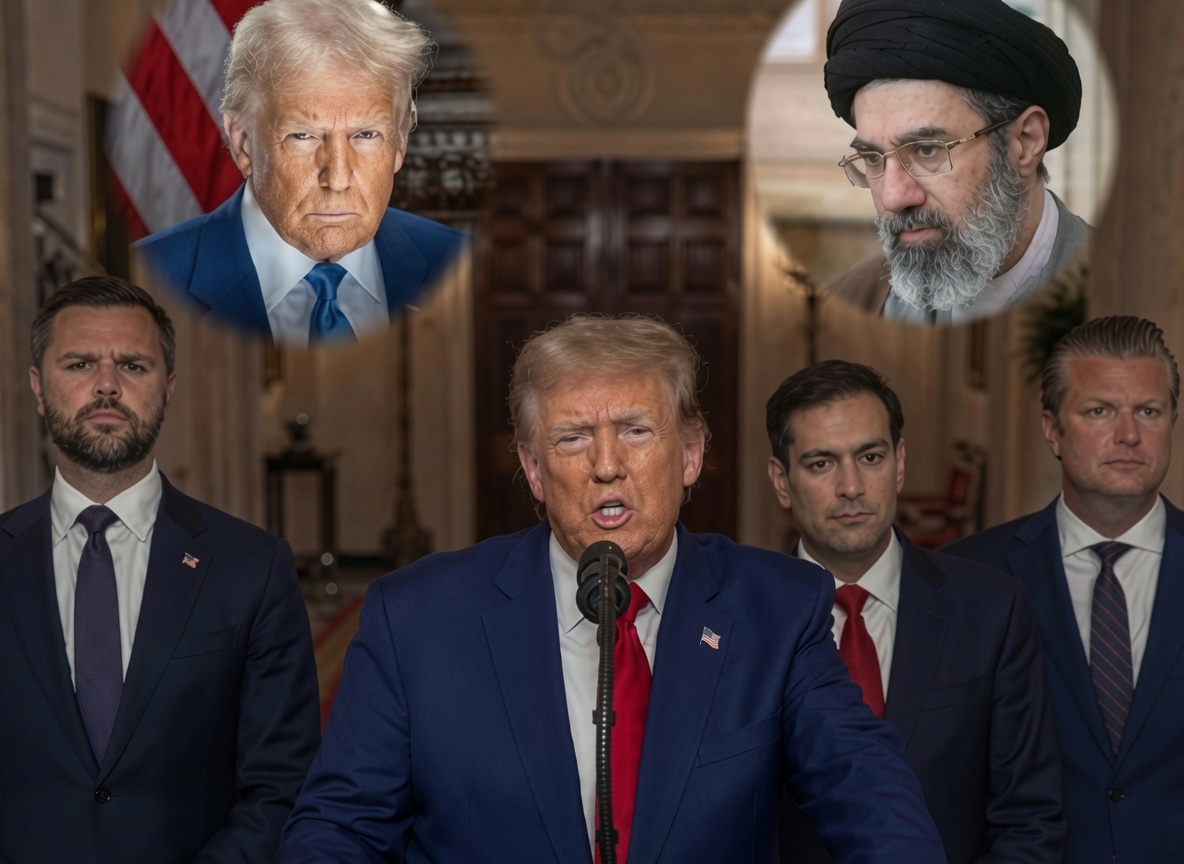
For President Donald Trump, the crisis presented a difficult strategic decision. His administration had continued to emphasize diplomatic negotiations with Iran, but the rapidly escalating confrontation increased pressure on Washington to determine whether direct American involvement would become necessary.
Reuters reported that the Trump administration had been preparing for the possibility of Israeli military action while evaluating the risks and potential consequences of U.S. intervention.
Iran’s Nuclear Program Remains the Central Issue
At the heart of the confrontation was Iran’s nuclear program. Israel argued that Tehran was approaching a dangerous threshold in its ability to develop nuclear weapons and that military action was necessary to prevent that outcome.
Iran consistently rejected the accusations, maintaining that its nuclear activities served civilian and peaceful objectives.
Before the Israeli offensive, the International Atomic Energy Agency had raised serious concerns about Iran’s expanding stockpile of highly enriched uranium. However, the agency had also stated that it had no credible indication of an active, coordinated nuclear weapons program.
The confrontation escalated further when the United States launched its own military operation against Iranian nuclear facilities later in June. President Trump announced that American forces had struck key nuclear installations, including the heavily fortified Fordow facility, marking a major expansion of Washington’s direct involvement.
What Happens Next Could Reshape the Middle East
The most important question is whether the confrontation will remain contained or develop into a prolonged regional war.
Every additional missile launch, airstrike or attack on military personnel increases the possibility of further escalation. The involvement of additional regional powers could transform an already dangerous confrontation into a crisis with significant international security and economic consequences.
Diplomatic negotiations remain a possible path toward de-escalation, but rebuilding trust after such extensive military exchanges will be extraordinarily difficult.
One thing is clear: the June 2025 confrontation fundamentally changed the security landscape of the Middle East. With Israel’s security concerns, Iran’s nuclear ambitions, regional alliances and American military interests converging, the decisions made by Washington, Jerusalem and Tehran could determine whether the region moves toward stability or faces an even more dangerous period of prolonged conflict.
The stakes extend far beyond the borders of Israel and Iran—and the consequences could be felt around the world.