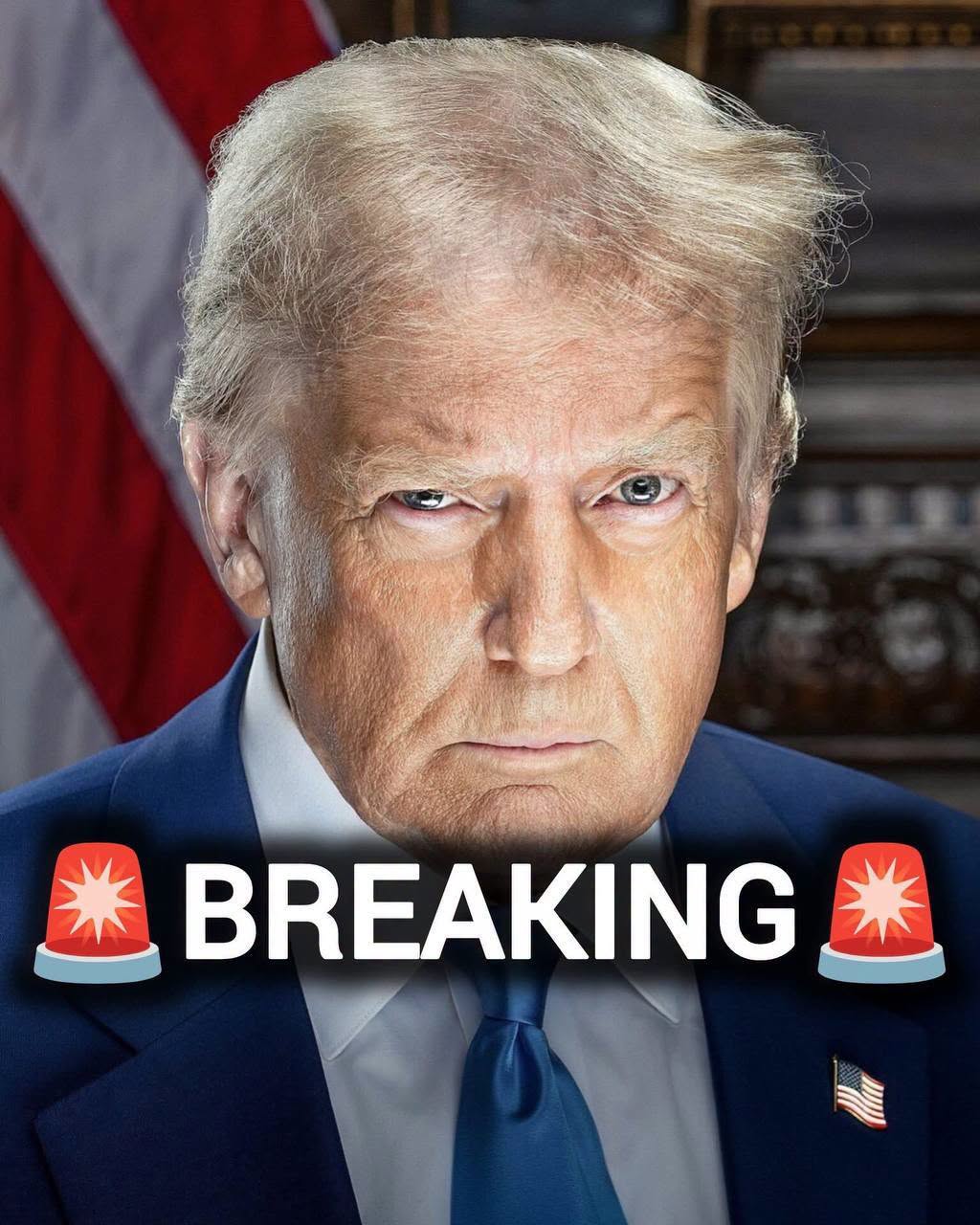
Donald Trump was charged in a federal indictment related to his alleged efforts to overturn the results of the 2020 U.S. presidential election and events connected to the January 6, 2021 attack on the U.S. Capitol.
The charges announced by Special Counsel Jack Smith included:
- Conspiracy to defraud the United States
- Conspiracy to obstruct an official proceeding
- Obstruction of and attempt to obstruct an official proceeding
- Conspiracy against rights guaranteed by the Constitution
January 6 United States Capitol attack
According to prosecutors, the case centers on allegations that Trump and others attempted to interfere with the lawful certification of the 2020 election results after he lost to Joe Biden.
Federal prosecutors argued that the alleged conduct involved efforts to:
- spread knowingly false claims about election fraud,
- pressure state officials,
- organize alternate slates of electors,
- and disrupt or delay Congress’s certification process on January 6.
Trump has repeatedly denied wrongdoing and described the case as politically motivated, calling it election interference and a “witch hunt.” His legal team argued he had the right to challenge election results and publicly express concerns about the election.
The indictment became one of the most historically significant legal cases involving a former U.S. president.


4
The charges also intensified already deep political divisions in the United States. Supporters of Trump viewed the prosecution as unprecedented targeting of a political opponent, while critics argued the investigation represented accountability for attempts to undermine democratic processes.
The legal proceedings surrounding the case have also raised major constitutional questions involving:
- presidential power,
- executive immunity,
- election certification,
- free speech,
- and the limits of political conduct after elections.
In 2024, the U.S. Supreme Court issued a major ruling recognizing broad presidential immunity for official acts performed while in office, though courts have continued debating how that ruling applies to specific allegations in Trump’s cases.
Trump v. United States
The January 6-related prosecution remains one of several major legal battles involving Trump, alongside state and federal investigations covering classified documents, business records, and election-related conduct.
Beyond the courtroom itself, the case has become symbolic of larger national debates over:
- democracy,
- election legitimacy,
- political accountability,
- and public trust in institutions.
For many Americans, the legal fight represents more than one politician alone. It reflects a broader struggle over how the country interprets the events surrounding the 2020 election and what standards should apply to leaders after leaving office.
The case continues carrying enormous political, legal, and historical significance as proceedings move through the courts.