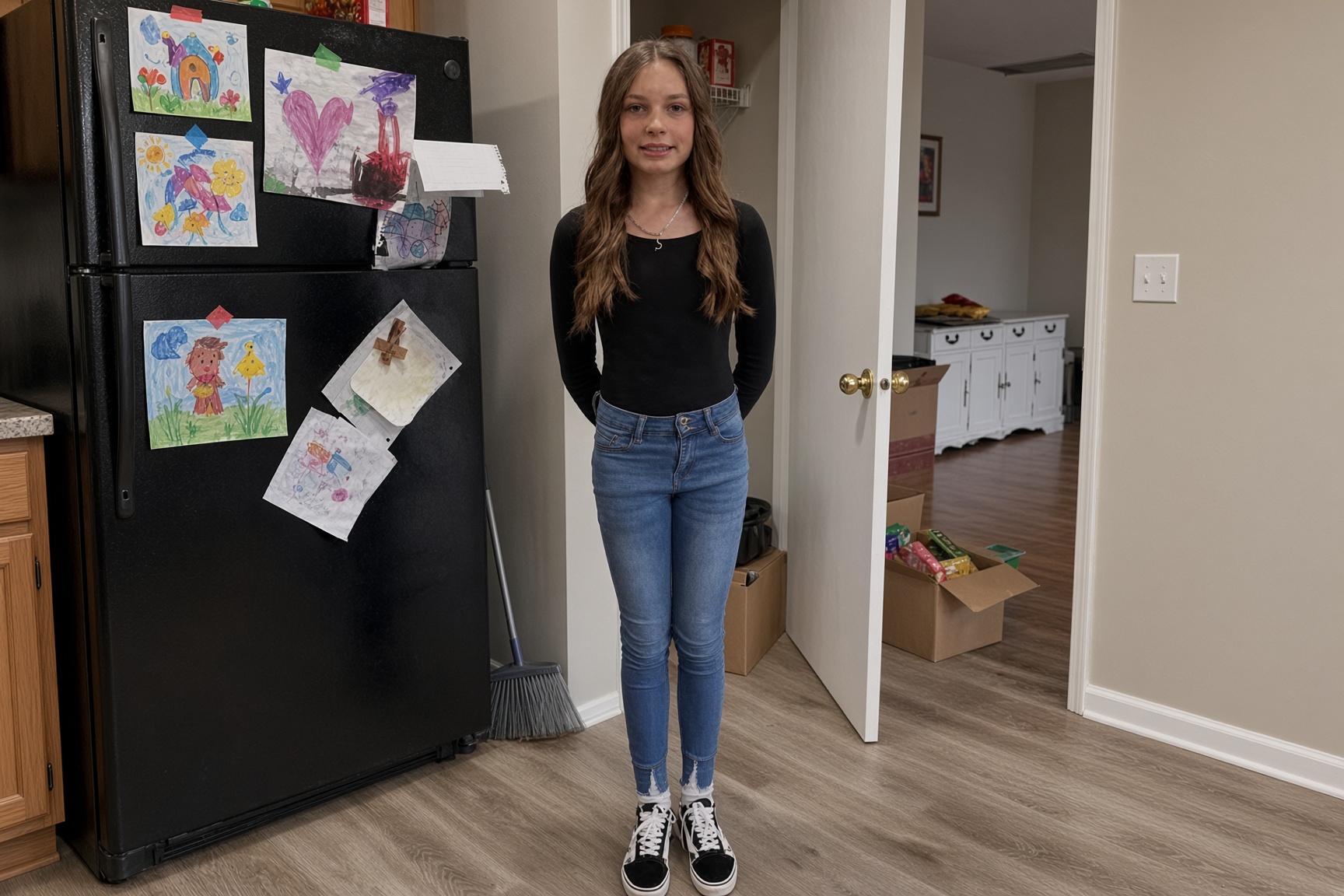
A widely shared account involving a 20-year-old woman identified as Ana has drawn renewed attention to menstrual health, the warning signs that should not be dismissed, and the importance of seeking medical care when symptoms become severe, unusual, or markedly different from a person’s normal pattern.
The story has circulated primarily on social media and has been framed by some as a tragedy linked to complications associated with menstruation. Important details surrounding Ana’s death, however, remain unverified. There is no independently confirmed medical documentation establishing the exact cause of death, any specific diagnosis, or whether menstruation itself contributed to what occurred. Without verified medical records or statements from qualified authorities, it is impossible to determine precisely what happened.
That uncertainty matters. A personal account shared online should not be treated as a medical case report. Social media posts can raise awareness and prompt useful conversations, but they cannot substitute for clinical evidence. At the same time, the discussion prompted by Ana’s story has highlighted a legitimate public-health concern: severe menstrual symptoms should not automatically be dismissed as something a person simply has to endure.
Menstruation is a normal biological process. Many people experience cramping, fatigue, headaches, mood changes, or moderate bleeding. The range of what is typical varies widely. The key distinction is between symptoms that are familiar and manageable for that individual and symptoms that are severe, rapidly worsening, or accompanied by other concerning changes.
Severe or sudden pain, unusually heavy bleeding, fainting, extreme weakness, confusion, significant difficulty breathing, or a high fever can warrant prompt medical attention. A person who becomes unusually pale, extremely weak, difficult to wake, confused, or severely short of breath should not simply be advised to wait for the symptoms to pass. Heavy bleeding can lead to significant blood loss. Severe abdominal or pelvic pain can have many possible causes, some of which are unrelated to a normal menstrual cycle. Fever or unusual discharge may also require evaluation depending on the circumstances. The cause cannot be determined from symptoms alone, which is why medical professionals emphasize proper evaluation rather than self-diagnosis.
One of the broader concerns raised by accounts like Ana’s is the tendency to normalize severe menstrual symptoms. Because menstruation is common, intense pain, extreme fatigue, or unusually heavy bleeding is sometimes assumed to be an inevitable part of the process. That assumption can delay care. A symptom that occurs during menstruation does not necessarily mean menstruation is the cause. Other medical conditions can coincide with a period and may require urgent treatment. Individuals should therefore pay attention to changes from their own normal pattern. If symptoms suddenly become much more severe than usual, continue for an unusually long time, or interfere significantly with basic activities, discussing them with a qualified healthcare professional can help determine whether further evaluation is appropriate.
The reaction to Ana’s story has also underscored the ongoing discomfort that still surrounds conversations about menstruation. For some teenagers and young adults, discussing menstrual symptoms with parents, teachers, friends, or healthcare professionals feels embarrassing. Others worry they will be judged, dismissed, or told that severe pain is simply something they must tolerate. That culture of silence can make it harder for people to speak up when something is wrong.
Health educators and clinicians have long stressed the value of environments in which menstruation can be discussed without shame. Young people benefit from reliable information about what menstruation is, which symptoms commonly occur, and which changes may warrant professional evaluation. Parents and caregivers can help by encouraging open conversations rather than treating menstrual health as a subject that should remain hidden. Schools, community organizations, and healthcare providers can similarly improve outcomes by making accurate reproductive-health information accessible and free of stigma.
Menstrual health also includes practical matters of hygiene and access. Individuals should follow the instructions provided for tampons, menstrual cups, pads, and other products, and maintain appropriate hand hygiene when handling them. Products should be changed or cleaned according to their specific guidance. Anyone who experiences concerning symptoms associated with product use should seek professional advice. Access remains an important equity issue. People who cannot reliably obtain menstrual products may face discomfort, anxiety, and difficulty attending school or work. Limited access can also make it harder to maintain recommended hygiene practices. Effective menstrual-health education therefore involves more than explaining biology; it also requires practical resources and clear guidance about when routine self-care is no longer sufficient.
Severe symptoms should not be ignored simply because they occur during menstruation. Someone experiencing uncontrolled or exceptionally heavy bleeding, sudden severe pain, fainting, confusion, significant breathing difficulties, or extreme weakness should seek urgent medical assistance. If a person appears seriously ill or is losing consciousness, contacting local emergency services is safer than relying on online advice or waiting to see whether the symptoms improve. Not every unusual menstrual symptom represents an emergency, but persistent or unusually severe symptoms can still justify an appointment with a doctor or other qualified clinician. A healthcare professional can review medical history, assess symptoms, and determine whether additional testing or treatment is needed.
Ana’s reported death has resonated with many people because menstruation is a routine part of life for a large portion of the population, yet serious menstrual symptoms can remain difficult to discuss openly. The precise circumstances surrounding her death, however, remain unclear. It would be inappropriate to conclude that menstruation itself caused her death based solely on an unverified online account. Reliable evidence would be required to establish the medical facts.
What can be addressed independently of that uncertainty is the broader health message. People should not be taught to fear menstruation, but neither should severe symptoms automatically be normalized. There is a meaningful difference between recognizing that menstrual discomfort can be common and assuming that every symptom occurring during a period is harmless.
For Ana’s family and loved ones, any reported loss is a deeply personal tragedy. For the wider public, the conversation surrounding the story has created an opportunity to encourage better awareness of menstrual and reproductive health. Young people should know that they can speak with a trusted adult, nurse, doctor, or other qualified healthcare professional when they are concerned. Asking for medical help is not an overreaction simply because symptoms occur during menstruation.
The central point remains straightforward: menstruation is normal, but severe or unusual symptoms should not automatically be ignored. Accurate information, open communication, and timely medical evaluation can be important when an underlying health problem is present. Ana’s story remains an incompletely documented account, and its medical details should not be overstated. The discussion it has generated, however, underscores the need for compassionate, evidence-based menstrual-health education. By reducing shame around the topic and helping people recognize serious warning signs, families, schools, and communities can improve the chances that concerning symptoms receive the attention they deserve.